
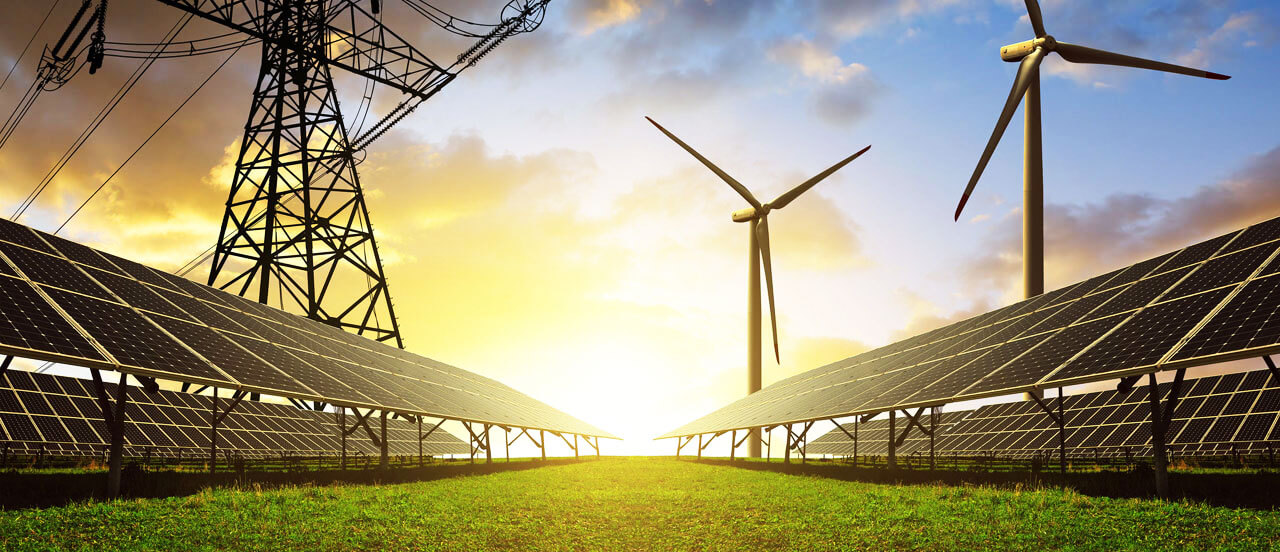
Detailed overview of the current energy landscape in the U.S. highlights the complex challenges and shifting dynamics in electricity demand, grid infrastructure, and energy production.
1. Increased Electricity Demand:
Over the past 15-20 years, the demand for electricity in the U.S. had been relatively flat, but now we’re seeing a substantial surge, driven by multiple factors:
- Electrification of Transportation: The push for electric vehicles (EVs) and the proliferation of EV charging stations are undoubtedly major contributors. As millions of people switch to electric cars, the demand for electricity to power these vehicles will rise.
- Data Centers and AI: The rapid expansion of data centers, particularly those supporting cryptocurrency mining and artificial intelligence (AI), has increased the demand for electricity. According to Goldman Sachs, global power demand from data centers could rise by 50% by 2027 and as much as 165% by 2030.
- Industrial Growth: The ongoing growth of industries that require high power loads, such as manufacturing and production, is contributing to electricity demand.
- Cooling Needs: As temperatures rise due to climate change, more people will rely on air conditioning, which further drives demand, especially during extreme weather events.
2. Challenges in Aging Grid Infrastructure:
The U.S. electric grid is aging, with many parts being 50-80 years old. The need for upgrades is becoming urgent, but these upgrades will take several years (4-5+) to implement. Utilities like AEP Electric Power are already forecasting significant investments, such as the $10 billion needed for infrastructure enhancements to handle the increased demand.
Grid operators are under pressure to increase capacity and avoid service disruptions, or they will face penalties from the Federal Energy Regulatory Commission (FERC). These grid reliability issues are a key concern, and, as you mentioned, will likely result in higher costs being passed on to consumers.
3. Rising Costs Due to Infrastructure and Fuel Challenges:
- Natural Gas Shortages: While natural gas is abundant in the U.S., the infrastructure needed to meet increasing domestic demand for electricity, plus growing exports of LNG (Liquid Natural Gas), is putting pressure on the market. U.S. natural gas exports are expected to increase significantly, potentially impacting supply and prices.
- Coal Plant Closures: The closure of coal plants has added to the challenge. Since 2010, more than 290 coal-fired plants have been shut down, with little to no immediate replacement in terms of base-load generation capacity. While there is a push for cleaner energy sources, the speed at which coal plants are being replaced by renewables or new natural gas plants is lagging behind, creating a potential gap in supply.
- Price Volatility: Despite natural gas being plentiful, the fluctuations in winter weather—such as the warm winters you mentioned—lead to price volatility. The colder than expected winters in the past couple of years would have placed further stress on the natural gas market and infrastructure.
4. Future Energy Projections:
- Demand Surge and Capacity Needs: According to projections from Bloomberg, the U.S. electricity demand is expected to surge by 16% by 2030, with total demand possibly doubling by 2050. The need for an additional 16% in capacity will require significant investment in energy generation and infrastructure—something that could take decades to fully meet.
- Nuclear and Renewables: Expanding the use of nuclear and renewable energy sources will be crucial for meeting future demand without relying too heavily on fossil fuels. However, the process of scaling these technologies requires both time and capital investment. The timeline for bringing these new generation capacities online is lengthy and complex.
- LNG and Exports: The projected rise in U.S. LNG exports, as noted, could exacerbate domestic energy supply constraints. By 2028, exports are expected to reach 25 BCF/d, which could have significant implications for domestic prices and availability of natural gas for electricity generation.
5. Regulatory Landscape:
The current regulatory environment is pushing for carbon neutrality, further exacerbating the difficulties in meeting energy demand. While this push is vital for climate goals, it also introduces significant challenges in balancing energy needs with environmental sustainability. The transition away from coal and the slow roll-out of alternative generation methods such as nuclear, renewable energy, and natural gas-fired power plants adds complexity to the equation.
Conclusion:
Electricity demand is on an upward trajectory and that this will result in higher prices over the medium term. Even though the current administration may project lower energy prices, the reality is that significant investment and time are needed to modernize the grid and bring additional generation online. Whether the solutions lie in expanding natural gas capacity, increasing renewable energy adoption, or investing in nuclear energy, the transition will be costly and take time. In the meantime, consumers may face rising electricity costs as utilities pass on the higher costs of generating and distributing power.
The U.S. will have to make substantial and urgent decisions about how to balance the need for increased generation, the transition to cleaner energy, and the demands of a growing economy and changing climate.
By Tom Williamson, President MSI Utilities
Tom has been in the energy business since deregulation started and has successfully predicted trends in energy prices for decades to the befit of his customers.